
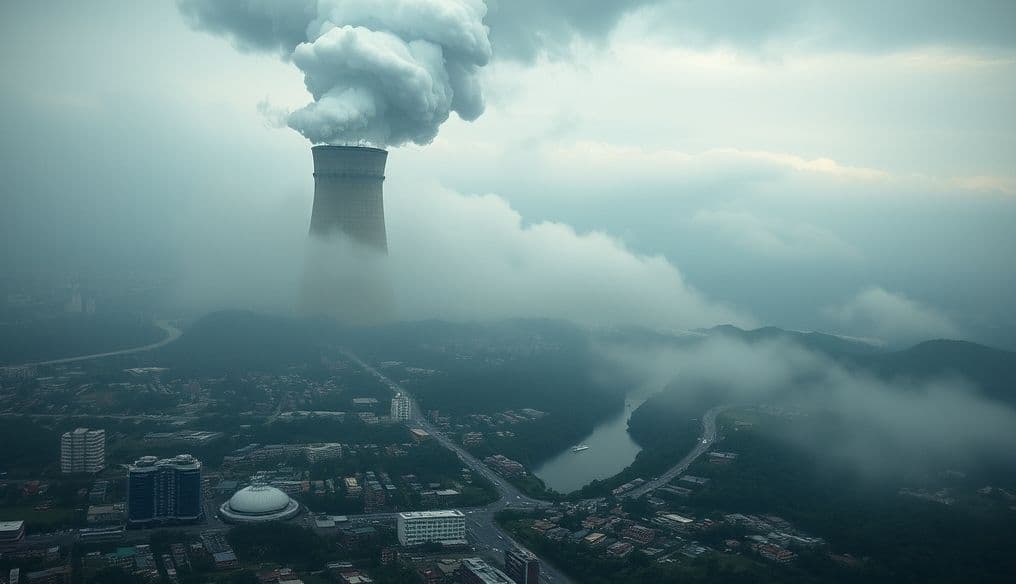
Natural disasters, once primarily perceived as formidable acts of nature, are increasingly revealing a complex interplay with human activity, particularly environmental pollution. While geological and meteorological phenomena initiate these events, anthropogenic pollution acts as a potent amplifier, not only intensifying their severity but also compounding their long-term impacts on ecosystems and human societies. Understanding this intricate relationship is crucial for developing effective mitigation and adaptation strategies in an era of escalating environmental challenges.
One of the most profound connections lies in the role of greenhouse gas emissions, a primary form of air pollution, in driving climate change. The accumulation of carbon dioxide, methane, and other gases in the atmosphere traps heat, leading to a global temperature increase. This warming trend directly contributes to more frequent and intense heatwaves, prolonged droughts that devastate agriculture, and altered precipitation patterns resulting in both severe floods and exacerbated water scarcity. Furthermore, warmer ocean temperatures fuel more powerful tropical storms and hurricanes, while glacial melt contributes to sea-level rise, making coastal areas more vulnerable to storm surges and inundation. Thus, pollution from industrial activities, transportation, and energy generation is not merely an environmental nuisance but a direct catalyst for more extreme weather-related disasters.
Beyond atmospheric changes, land and water pollution significantly degrade natural defenses against disasters. Deforestation, often driven by industrial agriculture and resource extraction, removes vital tree cover that stabilizes soil and absorbs rainfall. This land degradation renders areas highly susceptible to landslides and increased runoff during heavy precipitation events, turning moderate rainfall into destructive flash floods. Similarly, the pollution of rivers and coastal waters with industrial effluents, agricultural runoff, and plastic waste compromises the health of ecosystems like mangroves and coral reefs. These natural barriers are crucial in dissipating the energy of storm surges and tsunamis; their degradation due to pollution leaves coastlines exposed and vulnerable to the full force of oceanic events.
Moreover, the immediate aftermath of a natural disaster can be severely complicated by pre-existing environmental pollution. For instance, flooding in areas contaminated by industrial waste or sewage can spread hazardous substances, turning a hydrological event into a public health crisis. Wildfires, intensified by drought conditions linked to climate change, release vast quantities of particulate matter and toxic gases into the atmosphere, exacerbating respiratory illnesses and contributing to further air pollution. The synergistic effects are clear: pollution not only contributes to the genesis and intensity of natural disasters but also compounds their direct health and environmental consequences, impeding recovery efforts and prolonging suffering.
Addressing the escalating threat of natural disasters therefore necessitates a comprehensive approach to pollution control. Mitigating greenhouse gas emissions, safeguarding and restoring natural ecosystems, and managing waste effectively are not just environmental imperatives but crucial steps towards building resilience against nature's growing fury. Recognizing pollution as a force that amplifies disaster risk is fundamental to protecting our planet and its inhabitants from future catastrophes.